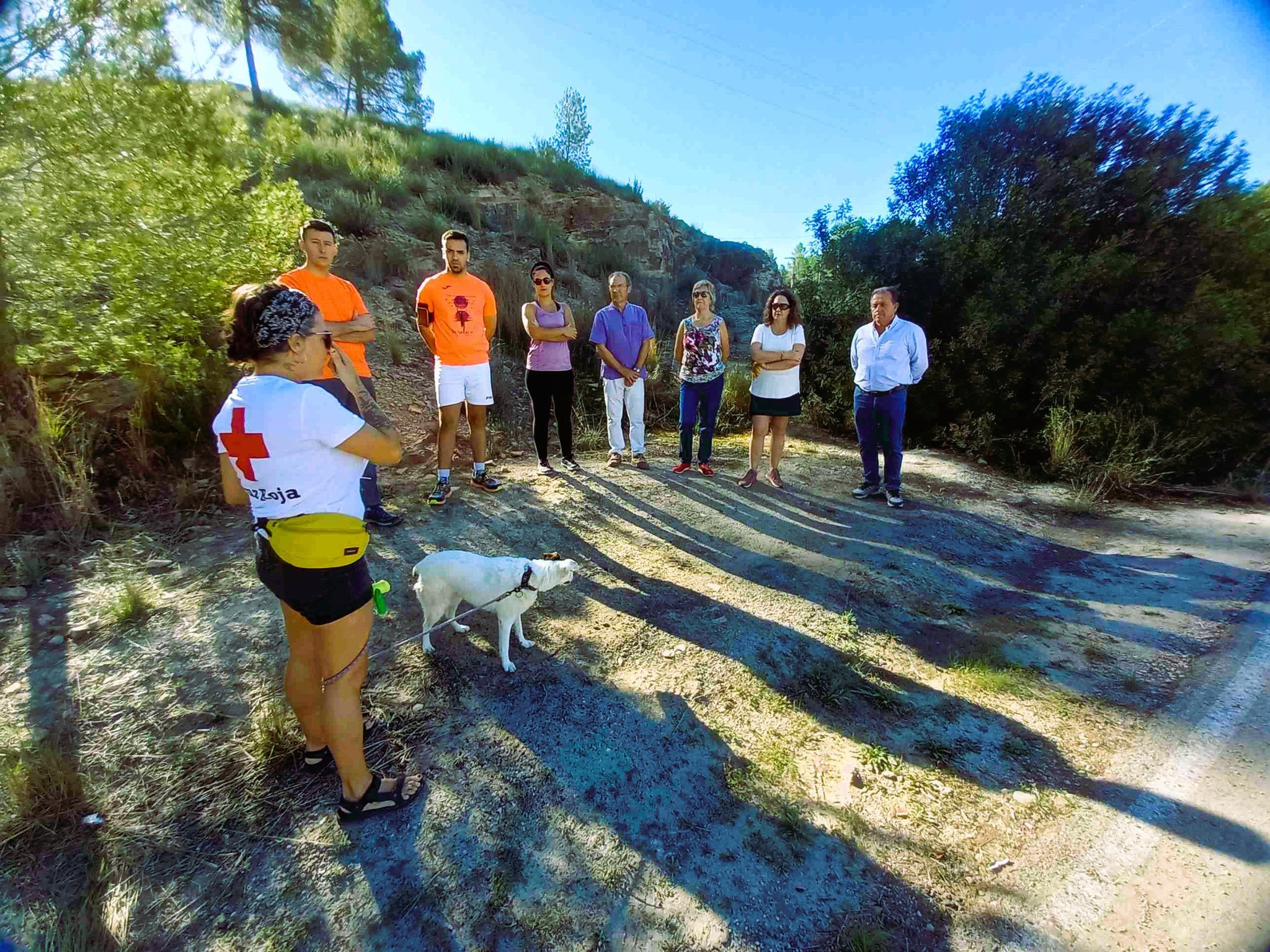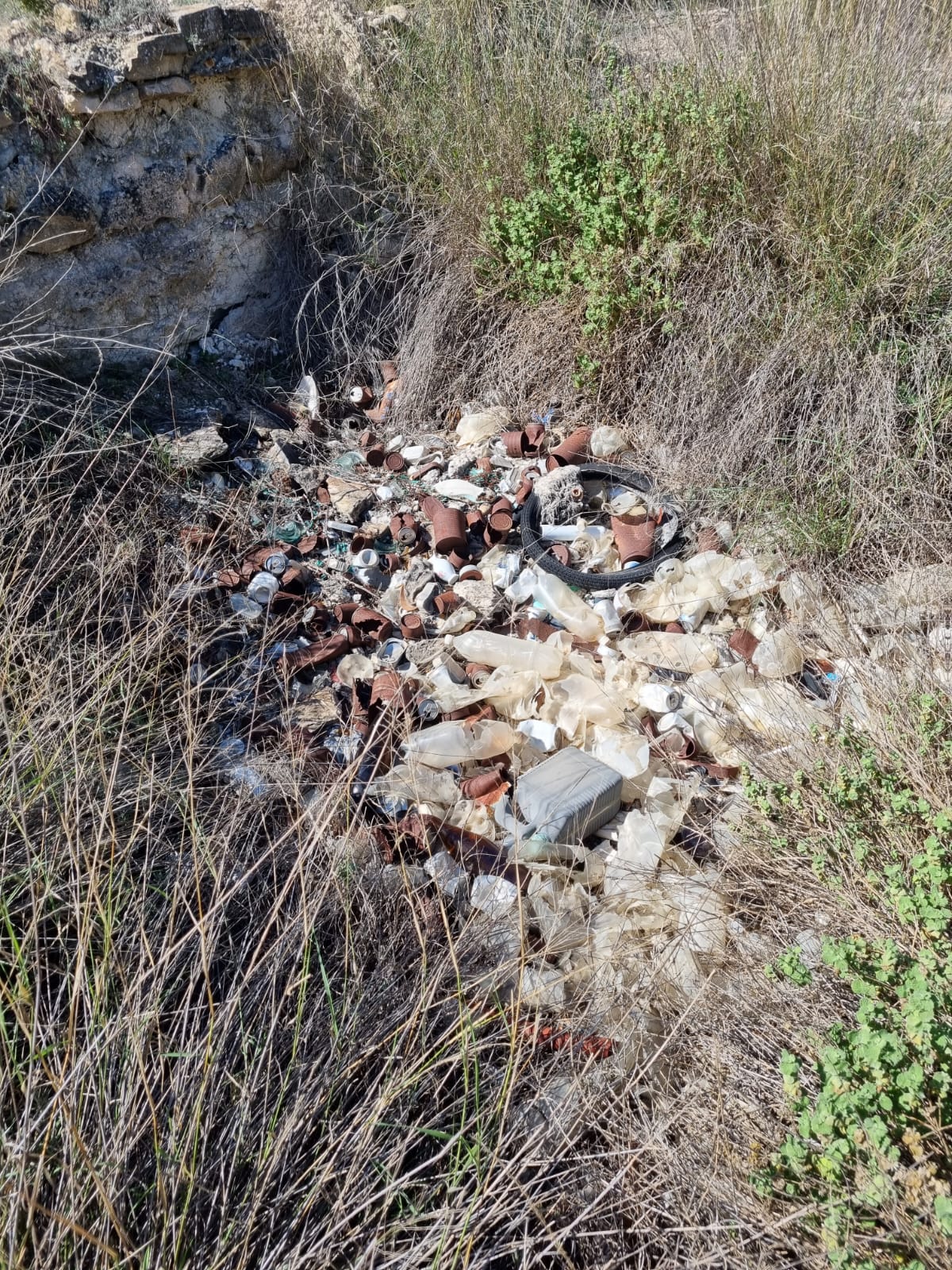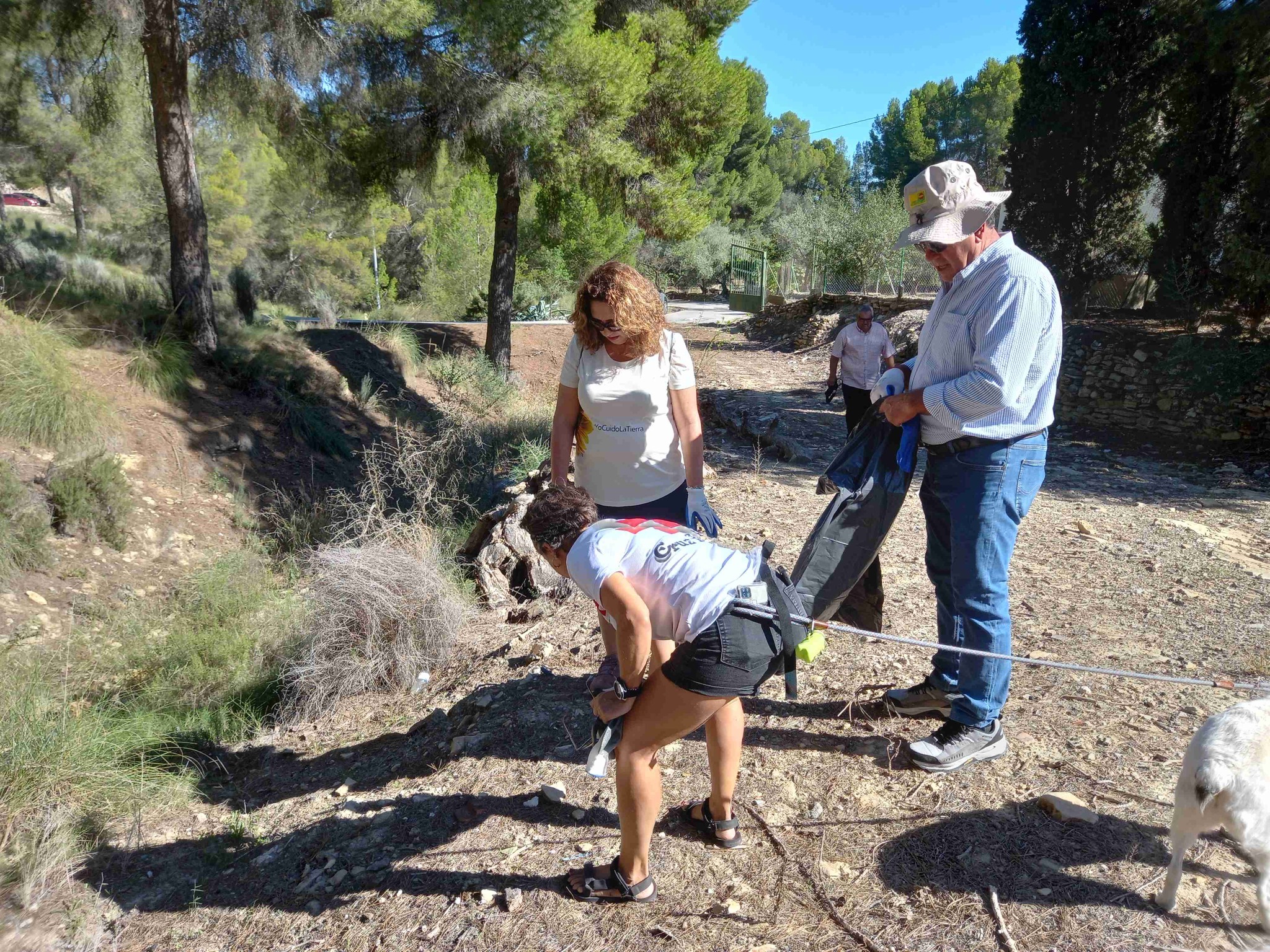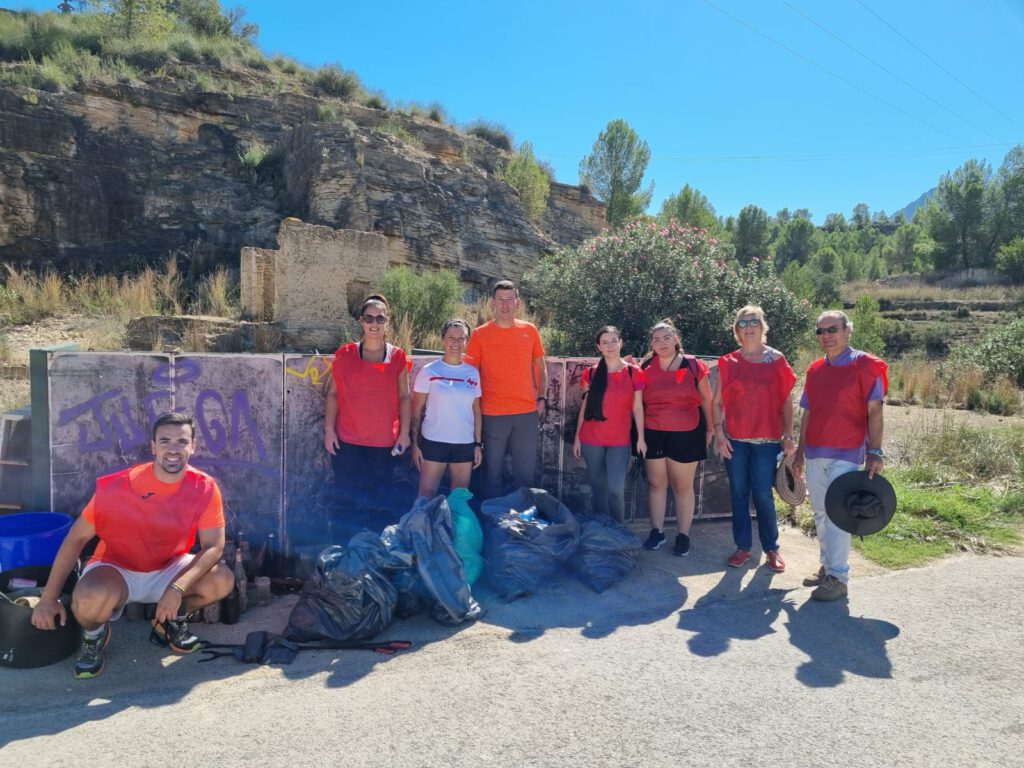


This Saturday morning, the City Council participated in a workshop on waste and microplastics organized by the Red Cross as part of the Libera Project. The workshop involved citizen science in the Almadenes Canyon, where 164 kilos of trash scattered throughout the mountains were collected, and water samples were taken from the Segura River for analysis.
The second deputy mayor of Cieza, Mari Ángeles Ruiz, and the Councilor for the Environment, Manuel Martínez, participated in the event.
The LIBERA Project, by SEO/BirdLife, in partnership with Ecoembes and the regional government, aims to develop activities that promote environmental conservation and raise awareness about the abandonment of waste in natural environments.
They also commit to informing and encouraging the municipality's educational centers to participate in the LIBERA Classrooms program and to incorporate activities into their teaching programs that foster awareness about litter and the search for solutions. They also promote the LIBERA Project's initiatives and use the e-Litter, MARNOBA, and Basuraleza apps as collaborative citizen science tools that help combat this environmental problem.
Almadenes Canyon between Cieza and Calasparra
Any local government, whether a town council, association, consortium, or even provincial council, can join #MiPuebloSinBasuraleza (#MiTownWithoutLitter) for free and thus join the LIBERA Project. Once registered, they will have access to all the materials needed to combat litter, such as outdoor signs, stamps, event containers, and wastebaskets for their facilities.
Since its launch, LIBERA has mobilized more than 120,000 volunteers and collaborated with nearly 2,000 organizations and groups, including the CSIC, the Queen Sofia Foundation, the DGT (General Directorate of the City of Madrid), Paisaje Limpio (Clean Landscape), and Vertidos Cero (Zero Verts), becoming a pioneering project that seeks to raise awareness about this environmental issue.
Furthermore, through the eLitter, Marnova, and Basuraleza apps, volunteers have collected and classified more than 670,000 objects from more than 5,000 locations across the country. These objects have been integrated into the official and scientific databases of the main organizations working in or regulating this field.