


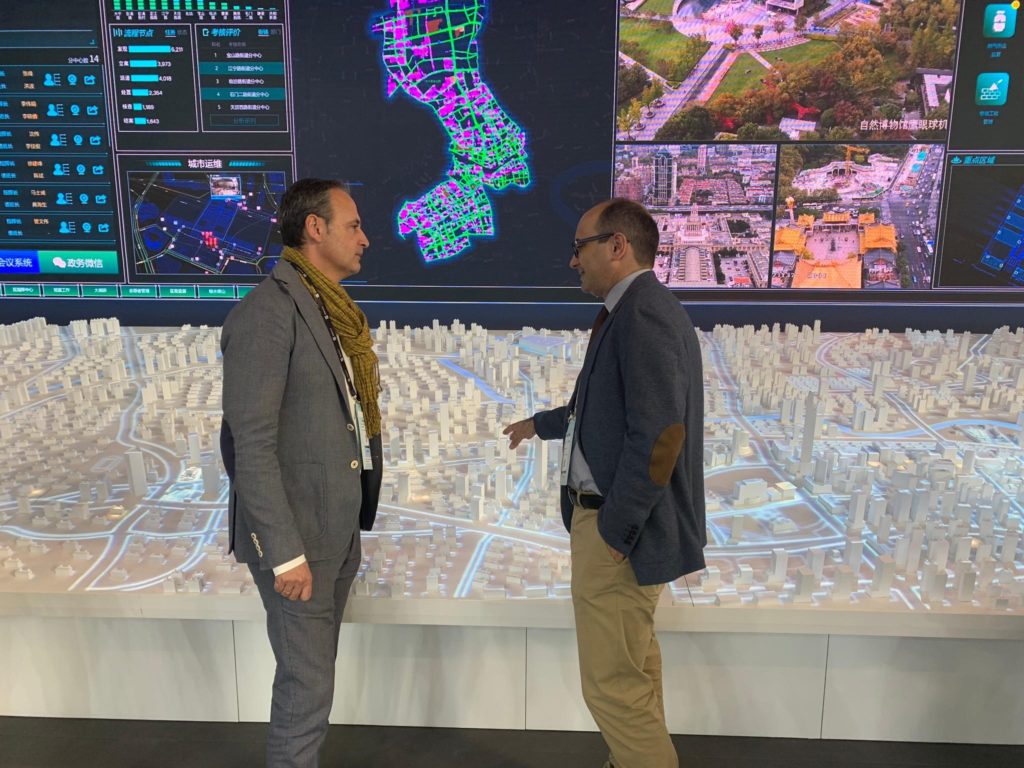


La iniciativa ‘5K’, enmarcada dentro del proyecto ‘Smart Región’, permitirá desplegar tecnologías conectadas aplicadas a la movilidad, la educación o la sanidad, el turismo o la gestión de recursos.
A pilot project, called '5K', will allow the experimental deployment of cutting-edge connected technologies in the eight least populated municipalities of the Region of Murcia, transforming them into smart territories. This initiative is part of 'Smart Region', a project launched by the Regional Ministry of the Presidency and Finance that aims to guarantee digital transformation in all municipalities and for all residents of the Region.
In the case of '5K', the aim is for these eight municipalities with fewer than 5,000 inhabitants - Villanueva del Segura, Ricote, Ulea, Ojós, Albudeite, Campos del Río, Pliego and Aledo - to serve as a pilot area to implement different 'smart city' technologies.
The Minister of the Presidency and Finance, Javier Celdrán, highlighted that the selection of these towns for this first experimental phase "aims to take advantage of the possibilities offered by new technologies to enhance the value of these areas, which are often rural, and provide them with the same services as more populated areas."
“The goal is not only to help curb depopulation, but to reverse it and transform these areas into magnets for new residents and even investment. The digital transformation of society and public administrations is one of the regional government's commitments and strategic priorities for building a modern and sustainable region, an engine of growth and a tool to improve the daily lives of citizens, particularly at this critical time when digitalization and online services are even becoming a means of protecting public health,” the Minister of the Presidency emphasized.
Another reason for choosing these eight municipalities is that their characteristics make implementing smart city functionalities and applications simpler and less expensive. Furthermore, the proximity of these eight towns will allow for synergies to be generated and for shared functionalities to be implemented, for example.
The '5K' project, which was presented today to the mayors of these eight towns, will allow the implementation of functionalities related to the management of transport for the elderly, linked to educational or health services, in the field of mobility, tourism or commerce, telecare or the management of resources such as energy or water.
One of the first phases of this initiative will be the opening of a citizen participation process aimed at the inhabitants of these areas so that they themselves can raise their needs and define some of the applications and functionalities that will finally be deployed.
Source: CARM.
Imagen de archivo del consejero de Presidencia y Hacienda, Javier Celdrán, y el director general de Estrategia y Transformación Digital, Joaquín Gómez, durante una visita a un centro de tecnologías avanzadas ‘smart city’.